Unravelling the Concept: Domestic Scaffolding Explained
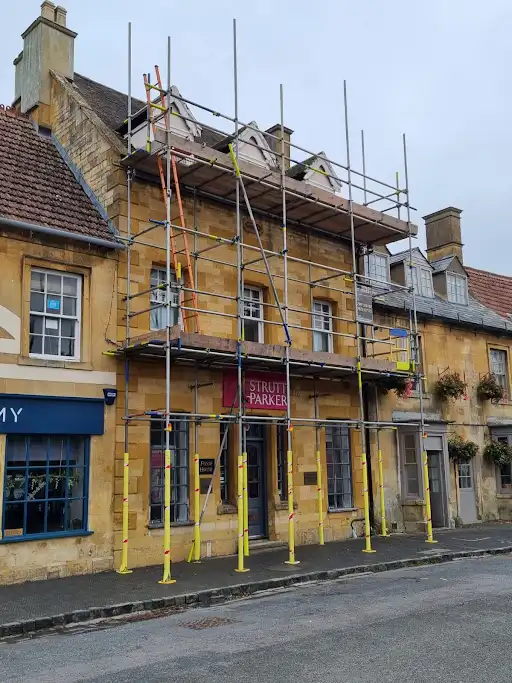
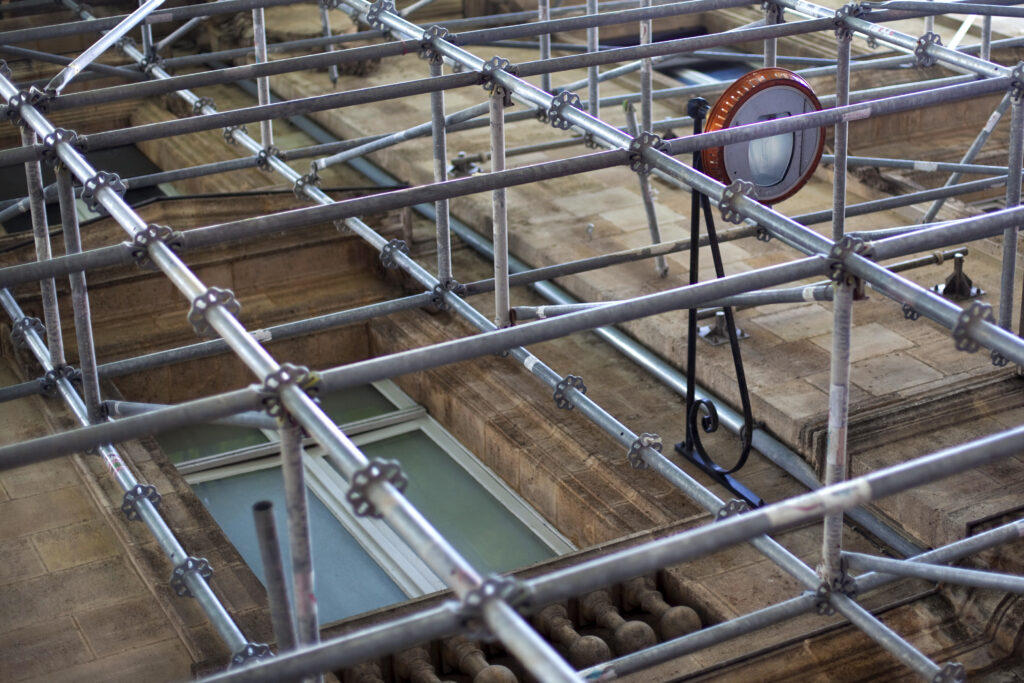
Domestic scaffolding, in essence, is a temporary structure erected around a building or a part of it to provide a secure platform for workers to carry out various tasks such as construction, repairs, and maintenance. It is usually made up of metal poles and wooden planks, structured in such a way as to bear the weight of the workmen and their tools. Domestic scaffolding is primarily used in residential properties, from a simple one-story house to a large detached dwelling.
Key features of domestic scaffolding include its flexibility, strength, and robustness. The design of such scaffolding allows for easy modification and adaptation to fit the specific needs of a building site. This flexibility allows for a safer and more efficient work process, regardless of the complexity of the task. Its strength and robustness, however, ensure that the structure can withstand considerable weight, height and adverse weather conditions.
Domestic scaffolding’s benefits extend beyond the structural aspects. It promotes safety, efficiency, and accessibility in construction projects. By providing a stable platform, it prevents accidents, allows for the efficient movement of workers and materials, and increases accessibility to hard-to-reach areas. Consequently, it contributes to the speed and quality of construction work.
Historical Overview: Development of Domestic Scaffolding in Smethwick
Smethwick, a town in Sandwell, West Midlands, England, has a long history in the construction industry, and scaffolding has been an integral part of this journey. During the Industrial Revolution, Smethwick became a hub for iron and steel manufacturing, laying a strong foundation for the construction sector. The use of scaffolding, however, was rudimentary, often unsafe and inefficient.
As the town progressed into the 20th century, so did its approach to construction and scaffolding. Domestic scaffolding started becoming more common, especially after World War II, when a significant number of homes needed rebuilding or repairing. The local government enacted safety regulations, leading to enhancements in the design and use of domestic scaffolding.
Today, Smethwick is a dynamic, multicultural town with a buoyant housing market. The use of domestic scaffolding has become standard practice, not just for new builds, but also for restoration and renovation projects. Domestic scaffolding designs have also advanced significantly, offering safer, more robust and adaptable solutions for construction needs.
Understanding the Factors Influencing Domestic Scaffolding Trends
Different factors have influenced the trends in domestic scaffolding in Smethwick. One of the primary factors is the evolving nature of the housing market. There has been a continual shift towards home improvement, restoration and extensions, thus increasing the demand for scaffolding. The rise in property prices has also made it more cost-effective for homeowners to improve their current homes rather than move, again boosting the demand for scaffolding.
Technological advancements have also played a significant role in shaping the domestic scaffolding industry. Innovations such as mobile scaffolding and adjustable platforms have made scaffolding more adaptable and user-friendly. Moreover, software solutions have helped in better designing and managing scaffolding structures, thereby increasing efficiency and safety.
Regulatory changes have also impacted the industry. The UK government has enforced stricter safety standards, thereby driving companies to improve the quality and safety of their scaffolding structures. These regulations have also promoted the use of professional scaffolding services, creating a more level playing field for local businesses.
Analysing the Role of Building Regulations in Scaffolding
Building regulations in the UK are designed to ensure the health, safety, welfare and convenience of people in and around buildings. These regulations cover various aspects of construction, including scaffolding. They provide guidelines for the design, erection, alteration and dismantlement of scaffolding, thereby ensuring that scaffolding structures are safe and fit for purpose.
One of the key building regulations relating to scaffolding is the Work at Height Regulations 2005. This regulation stipulates that all work at height must be properly planned, supervised and carried out in a manner that is safe, thereby minimising the risks to workers and the public. The regulation also requires that only competent personnel erect, alter and dismantle scaffolding.
Building regulations have been instrumental in improving the safety standards in the scaffolding industry. They have led to the development of more robust and reliable scaffolding structures, better training for workers and improved working practices. However, they have also increased the costs and complexity of scaffolding projects, thereby impacting the profitability of scaffolding businesses.
Exploring Key Innovations: A Look at Modern Domestic Scaffolding
Modern domestic scaffolding demonstrates significant advancements compared to its historical counterparts. One example is the use of lightweight materials such as aluminium and fibreglass. These materials are easier to handle and transport, and they offer a higher level of durability and resistance to weathering compared to traditional steel.
Another innovation is the use of modular scaffolding systems. These systems are made up of standardised components that can be quickly and easily assembled and disassembled. This feature not only saves time and reduces labour costs but also increases the flexibility of scaffolding, as it can be easily adapted to different building shapes and sizes.
Finally, innovations in safety equipment have made scaffolding safer. Fall prevention systems, guardrails, toe boards, and safety nets have become standard features in scaffolding structures. Combined with improved training for workers, these innovations have significantly reduced the number of accidents and injuries related to scaffolding.
Case Studies: Real-life Domestic Scaffolding Projects in Smethwick
Smethwick has witnessed numerous successful domestic scaffolding projects. A notable example is the restoration of the 19th-century ‘St Paul’s House’. The project involved intricate brickwork restoration and window repairs, demanding a complex scaffolding structure. A local scaffolding company designed a bespoke scaffolding system that enabled safe and efficient work, leading to the successful completion of the project.
Another example is the construction of a new residential building on High Street. The project required a robust and adaptable scaffolding structure to accommodate the building’s unique architectural features. Despite the project’s complexity, the scaffolding system facilitated efficient construction work and ensured the safety of the workers, resulting in a stunning new addition to Smethwick’s residential landscape.
These case studies highlight the versatility and effectiveness of domestic scaffolding in Smethwick. They demonstrate how scaffolding can contribute to the successful execution of a range of construction projects, from restoration and renovation to new builds.
The Economic Impact of Domestic Scaffolding in Smethwick
The domestic scaffolding industry in Smethwick plays a vital role in the local economy. It not only provides employment opportunities but also contributes to the town’s development and prosperity. The demand for domestic scaffolding services is closely linked to the health of the local housing market. As such, periods of strong housing activity often translate into increased business for local scaffolding companies.
Moreover, the scaffolding industry indirectly supports other sectors of the economy. Facilitating construction work, it contributes to the growth of the construction industry, which in turn fuels demand for other services such as materials supply, transportation, and real estate services.
However, the industry also faces challenges. The increasing complexity of building regulations, coupled with rising labour and material costs, has put pressure on the profitability of scaffolding companies. It is imperative, therefore, that the industry continues to innovate and adapt to maintain its economic viability and contribution to the local economy.
Future Prospects: The Evolution of Domestic Scaffolding in the Next Decade
The future of domestic scaffolding in Smethwick looks promising. The continued growth of the housing market, along with the trend towards home improvements and extensions, is expected to maintain strong demand for scaffolding services. Additionally, the town’s focus on preserving its architectural heritage will likely necessitate the use of domestic scaffolding for restoration projects.
Continued advancements in technology will also shape the future of domestic scaffolding. Innovations such as smart scaffolding, featuring built-in sensors to monitor structural stability, and virtual reality training for scaffolders, are just some of the possibilities. These advancements will not only enhance the functionality and safety of scaffolding but also increase its efficiency and cost-effectiveness.
Lastly, the industry’s future will be influenced by regulatory changes. With the UK government’s increased focus on workplace safety and environmental sustainability, we can expect more stringent regulations, which will likely drive further improvements in scaffolding design, materials, and practices. As such, the domestic scaffolding industry in Smethwick is set to become safer, more efficient, and more environmentally friendly in the coming years.