Understanding the Vital Role of Emergency Scaffolders in Walsall
Emergency scaffolders play an indispensable role in Walsall and other parts of the UK, providing crucial help when it’s needed most. This role is often brought to the fore in the wake of unforeseen circumstances such as severe weather conditions, fires, or structural failures that compromise the integrity of a building. Under such circumstances, emergency scaffoldings provide a safe and secure platform for rescue teams, repair crews, and other workers to perform their jobs effectively.
Walsall’s emergency scaffolders are well-trained to respond promptly and erect temporary structures within very limited timeframes. They work closely with various stakeholders such as local councils, property owners, and construction firms to ensure that scaffolds are set up in a manner that meets the safety standards and strategic requirements. As such, their work is not just about speed, but also about precision, safety, and cooperation.
The role of emergency scaffolders is not limited to crisis situations alone. They are also involved in routine tasks such as residential or commercial renovations, where they provide temporary structures to facilitate work at height. Therefore, their input is crucial in various scenarios, making them a prominent feature in Walsall’s construction landscape.
Crucial Contributions of Walsall’s Emergency Scaffolders
Emergency scaffolders in Walsall make significant contributions in various sectors. In the construction industry, they ensure that projects continue without dangerous interruptions. By quickly erecting scaffolds around damaged or unstable structures, they allow construction crews to safely carry out repair work, thereby minimising downtime.
Their contribution also extends to the rescue and recovery operations. In the event of a building collapse or fire, emergency scaffolders can set up structures that enable rescue workers to reach the affected areas swiftly, potentially saving lives. They also provide safe access for subsequent investigations and salvage operations.
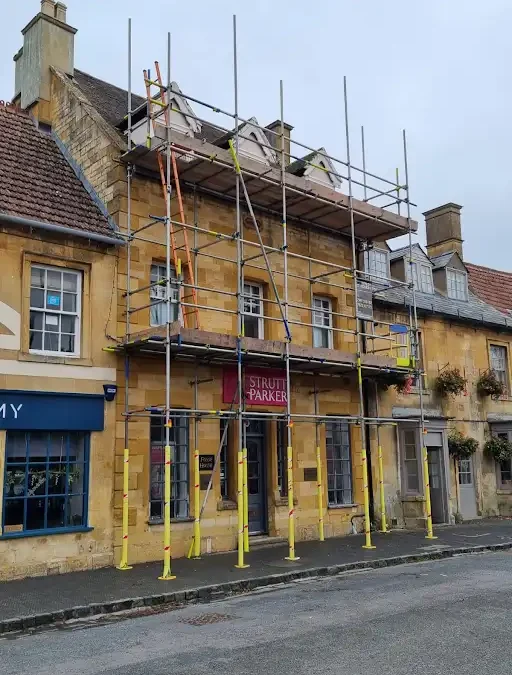
Furthermore, emergency scaffolders contribute to the maintenance and preservation of historical buildings in Walsall. By erecting scaffolding around these structures, they allow renovation work to be carried out while preserving the building’s integrity. This work is crucial in maintaining Walsall’s architectural heritage, further highlighting the importance of emergency scaffolders in the community.
Swift Action: Key Aspect of Emergency Scaffolding
One of the defining features of emergency scaffolding is its speed. When a crisis occurs, there is often little time to waste. Emergency scaffoldings in Walsall are known for their rapid response. These professionals can be on-site within a short time frame, quickly assessing the situation, devising an appropriate plan, and commencing their work promptly.
However, it’s important to note that speed doesn’t compromise safety. Even under the pressure of time, emergency scaffolders in Walsall are trained to uphold the highest safety standards. They ensure that the scaffolds are not only erected quickly but also securely, providing a safe and stable platform for those working at height.
Additionally, their swift action extends beyond the initial emergency. Once the immediate danger has passed, they continue to work quickly and efficiently until the job is done, ensuring that normalcy is restored as quickly as possible.
In-Depth Look at the Skills Required by Walsall’s Scaffolders
Emergency scaffolders in Walsall must possess a range of skills to perform their duties effectively. These include technical skills such as the ability to read and understand architectural plans and the physical prowess to erect and dismantle scaffolding structures safely.
They also need a solid understanding of safety procedures and regulations related to scaffolding. This knowledge is crucial in ensuring the safety of everyone who will use the scaffold, as well as those in the surrounding area. It also helps to prevent accidents that could lead to further damage or delays.
Moreover, emergency scaffolders must exhibit exceptional teamwork and communication skills. They often need to coordinate with various other professionals, such as construction workers, architects, and emergency services. The ability to communicate effectively under pressure is therefore vital in ensuring a smooth, swift, and safe operation.
Case Study: High Impact Emergency Scaffolding in Walsall
One notable instance of the impact of emergency scaffolding in Walsall involved a residential building that had suffered significant structural damage due to a fire. The damage threatened the stability of the building and posed a risk to the neighbouring properties.
Emergency scaffolders were called in and arrived promptly, despite the chaotic scene. They quickly but carefully erected a scaffold around the building, providing a safe platform for firefighters to extinguish the remaining flames and for structural engineers to evaluate the extent of the damage.
After the fire was extinguished and the immediate danger had passed, the scaffold remained in place for several weeks. It allowed for safe and efficient removal of debris and for repair work to be carried out, ultimately leading to the building’s restoration. This case underscores the pivotal role of emergency scaffolders in crisis management and post-crisis recovery.
Health and Safety Measures Upheld by Walsall Scaffolders
Safety is a paramount concern for emergency scaffolders in Walsall. They adhere to strict regulations and guidelines to ensure the safety of their structures. This includes conducting thorough risk assessments before erecting a scaffold, using high-quality materials, and implementing regular safety checks while the scaffold is in use.
Emergency scaffolders also ensure the safety of their own team members. They provide appropriate protective equipment and ensure that all team members are well-trained in proper safety protocols. This includes the correct use of equipment, how to respond to potential hazards, and the importance of maintaining clear communication at all times.
In addition to these measures, emergency scaffolders are often required to liaise with local authorities and regulatory bodies. They ensure that their operations comply with all relevant regulations and are carried out in a manner that minimises disruption to the public and the environment.
The Demand and Supply of Emergency Scaffolders in Walsall
Demand for emergency scaffolders in Walsall is consistently high, driven by various factors. These include the construction of new buildings, the renovation and restoration of existing structures, and the need for scaffoldings in response to emergencies such as fires, severe weather events, and structural failures.
To meet this demand, Walsall boasts a robust supply of emergency scaffolding services. These companies employ skilled and experienced professionals who are trained to respond swiftly to calls for assistance, whether for planned construction work or unexpected emergencies.
However, it’s worth noting that while the current supply of emergency scaffolders in Walsall appears to meet the demand, there’s a growing need to attract more people into the profession. This is due to factors such as the ongoing growth in construction activities and the ageing workforce.
Future Prospects of Emergency Scaffolding in Walsall
Looking ahead, the future seems promising for emergency scaffolding in Walsall. The continuous development and urban renewal projects in the area, coupled with Walsall’s vulnerability to severe weather events, ensure that the demand for emergency scaffolding services will likely remain high.
The increasing focus on health and safety in construction and related industries also bodes well for the future of emergency scaffolding. As regulatory bodies continue to enforce stricter safety standards, the need for professional, reliable, and safety-conscious emergency scaffolders will only grow.
Moreover, the advent of new technologies such as digital design tools and advanced materials is likely to bring about changes in the way emergency scaffolding services are delivered. These innovations are expected to improve the efficiency and effectiveness of emergency scaffolders, thereby enhancing their ability to meet the challenges of the future.